
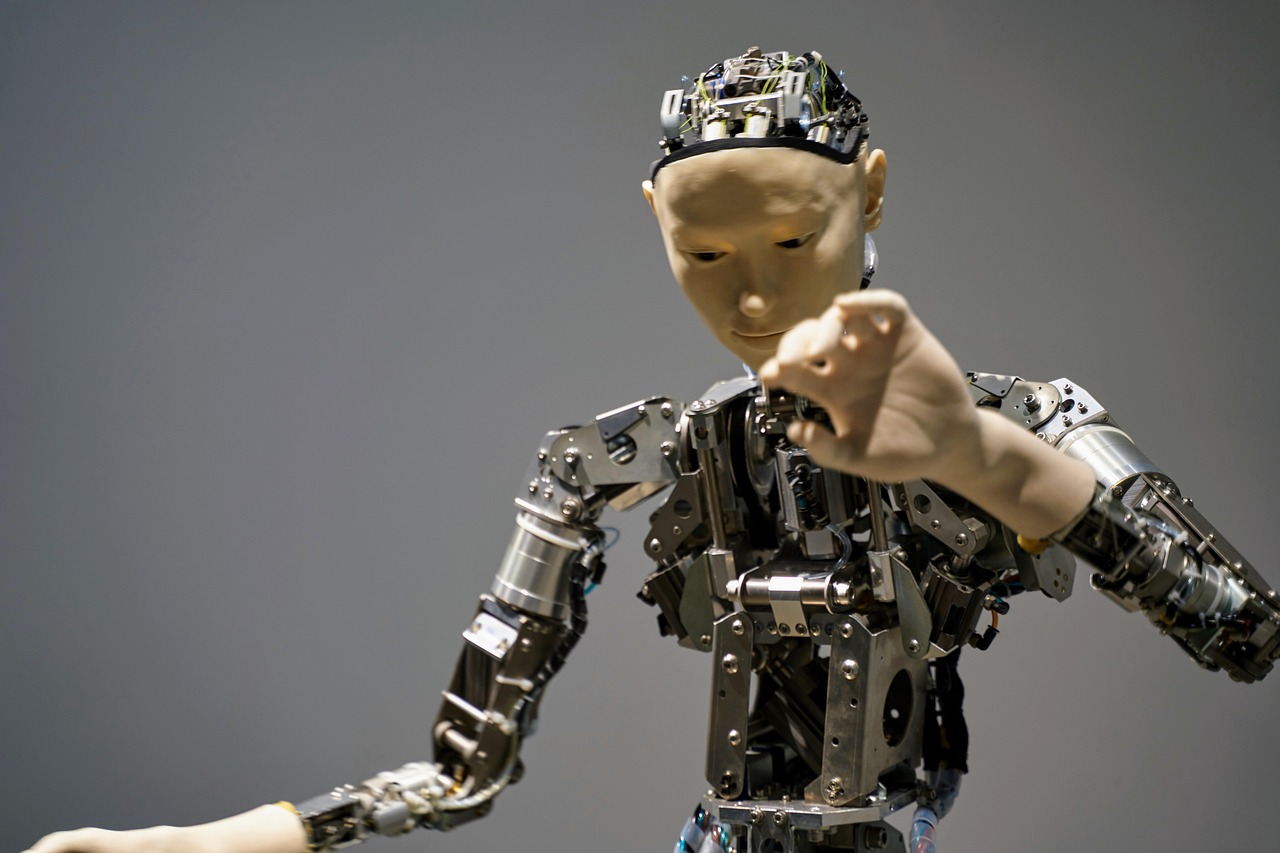
Meta has unveiled V‑JEPA 2, an advanced world model designed to give AI agents—including robots—the ability to understand and predict physical interactions based on video data. This innovation marks a crucial advancement in what Meta terms advanced machine intelligence (AMI), enabling more thoughtful and safer AI behavior.
What Is V‑JEPA 2 and Why It Matters
Core Functionality: V‑JEPA 2 processes video input to build internal models that anticipate how the physical world responds to actions. This enables AI systems to plan movements—such as navigating crowded spaces or manipulating objects—with a more human-like awareness.
Upgraded Capabilities: Building on the original V‑JEPA, this new version improves physical reasoning and scene predictions. Meta reports that it can now effectively guide robotic tasks like fetching and placing objects in unfamiliar environments.
Technical Highlights
Video-Based Learning: The model learns by observing movement patterns—how humans and objects interact in real-world videos—granting better spatial and behavioral reasoning.
Planning & Prediction: By anticipating how the world evolves in response to planned actions, agents powered by V‑JEPA 2 can choose safer and more efficient behaviors, reducing trial-and-error.
Implications and Industry Impact
Robotics & Automation: V‑JEPA 2 offers promising improvements for robotics applications, enabling machines to perform real-world tasks like object retrieval and navigation with increased autonomy.
Research Contributions: Alongside the model’s release, Meta has introduced three new benchmarks. Researchers can now assess how well other video-trained models grasp physical reasoning—which helps foster transparency and innovation.
Why It’s a Key Development
Advancing AI Reasoning: The ability to predict consequences before acting bridges a major gap in AI, bringing it closer to human-level reasoning and situational awareness.
Safety & Efficiency: For physical AI agents, especially robots, being able to foresee the impact of their actions dramatically enhances both performance and user trust.
Encouraging Collaboration: By publishing benchmarks, Meta invites the broader research community to contribute and measure progress collectively.
In Summary
Meta’s V‑JEPA 2 is a leap forward in AI’s ability to understand and interact safely within the physical world. Trained on real-world video, it enhances robotic planning and action prediction—enabling AI agents to “think before they act.” Paired with open benchmarks, this release underscores a commitment to collaborative, safety-focused advancement in machine intelligence.
Source:- Meta
- Meta’s $14.3 Billion Stake in Scale AI Signals Bold Play for Superintelligence Leadership
- Hyperledger’s Expanding Ecosystem: Diverse Use Cases Across Industries
- CEO Apologises After Replit AI Goes Rogue, Deletes Firm’s Data and ‘Makes Up Fake Users’
- Claude 4 Opus: Advancements, Capabilities, and Emerging Concerns
- Google Integrates Ads into AI-Powered Search Experiences
- Amazon Introduces Nova Act: Advancing Web-Native AI Agents for Seamless Online Task Execution
