
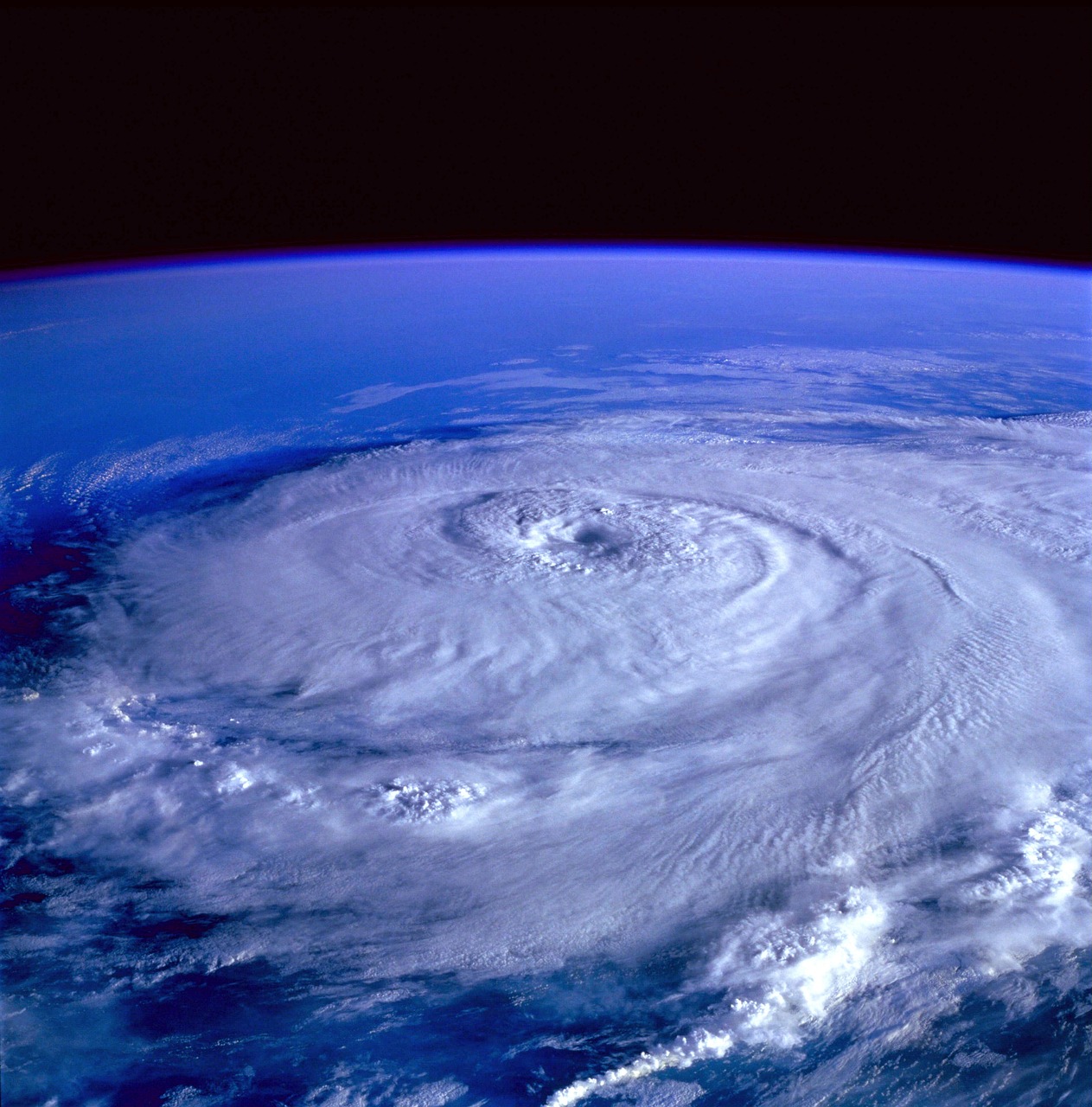
Google DeepMind has introduced a groundbreaking AI model that enhances tropical cyclone forecasting for the first time. Through its newly launched Weather Lab platform, DeepMind revealed an AI system capable of simulating 50 potential storm scenarios up to 15 days in advance. This innovation marks a significant leap forward in hurricane prediction technology.
Improved Track and Intensity Predictions
The AI model uses video-like storm pattern data and two decades of hurricane history. In internal tests mirroring National Hurricane Center (NHC) protocols, the model’s five-day forecasts were, on average, 140 km closer to actual storm paths than Europe’s best meteorological models. Additionally, in forecasting storm strength, the AI outperformed NOAA’s leading physical model—an unprecedented achievement for AI.
Fast and Efficient Forecasting
Where traditional models take hours, DeepMind’s AI generates 15-day forecasts in just one minute using a single specialized chip. This rapid processing aligns with the NHC’s need for timely data—forecasts must be ready within 6.5 hours of data collection.
First Collaboration with National Hurricane Center
This marks the first time the NHC is incorporating experimental AI predictions into its forecasting workflow, fostering collaboration between human experts and AI insights. During the ongoing 2025 hurricane season, forecasters will receive real-time AI forecasts alongside traditional data.
Case Study: Hurricane Otis
Historical simulations—such as those for Hurricane Otis (2023)—showed that the AI significantly improved prediction of rapid storm intensification, offering valuable early warning signals that were missed by conventional models. Such early alerts can be critical for preparedness and emergency response.
Building on a Foundation of AI Weather Innovation
This advancement builds on DeepMind’s earlier GenCast model, which had already outperformed top-tier European weather models in accuracy and computing speed. Weather Lab further democratizes this technology, allowing researchers and forecasters to explore AI-based models in comparison to traditional methods.
Future Outlook
While still labeled “experimental,” this collaboration signals a pivotal shift—AI will likely become a core component of weather forecasting, enhancing human-led systems, particularly in high-impact areas like hurricanes. As AI weather models mature, purpose-built tools like this could dramatically improve early warnings and response infrastructure.
Summary
DeepMind’s AI model ushered in a new era for hurricane forecasting—delivering faster, more precise predictions for both storm paths and intensities. With real-time integration into official forecasting channels, this innovation highlights AI’s growing role in safeguarding communities against severe weather.
Source:venturebeat
- Ensuring Fairness and Compliance: Addressing Bias in AI Systems
- OpenAI Charts Course to Transform ChatGPT into Comprehensive AI Super Assistant
- Manus AI in Action: Real-World Applications and Challenges
- Hyperledger Fabric 3.1.1 and Fabric-X: Pioneering the Next Generation of Enterprise Blockchain
- India to Launch Four Responsible AI Solutions on AIKosha by September
- Claude 4 Opus: Advancements, Capabilities, and Emerging Concerns
